
Exploring career opportunities in the banking sector can be an exciting journey, especially when considering the dynamic and rapidly growing economies across Africa. According to the World Bank, sub-Saharan Africa’s GDP growth rate is projected to reach 4.1% in 2023, driven by strong performance in several key sectors including finance and banking. This article delves into which African countries stand out as ideal destinations for banking professionals, examining factors such as economic stability, regulatory frameworks, and career advancement opportunities.
Economic Stability and Growth
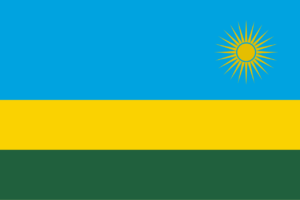
The stability and growth of a country’s economy are crucial indicators for the health of its banking sector. Countries with robust economic fundamentals tend to attract more investment, which in turn boosts the banking industry. For instance, Rwanda has been consistently ranked among the fastest-growing economies in Africa, with a GDP growth rate of around 8% annually over the past decade. This growth is supported by a stable political environment and a focus on infrastructure development, making it an attractive destination for banking professionals.
CASE STUDY: Rwanda
Rwanda’s banking sector has seen significant expansion, with the number of banks increasing from 15 in 2010 to 27 in 2020. The country has also implemented modern financial regulations, creating a favorable environment for both local and international banks. The central bank, the National Bank of Rwanda, plays a pivotal role in promoting financial inclusion and innovation, offering various initiatives aimed at supporting small and medium-sized enterprises (SMEs).
Regulatory Environment
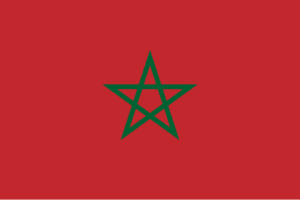
A strong regulatory framework is essential for the sustainable growth of the banking sector. Countries with well-established regulatory bodies that enforce strict standards and promote transparency tend to have healthier banking systems. Morocco, for example, has a robust regulatory environment that supports the banking industry’s growth. The Moroccan Central Bank (Banque Centrale du Maroc) oversees the sector, ensuring compliance with international standards and fostering a competitive yet stable market.
Morocco’s Regulatory Framework
Morocco’s banking sector is characterized by its diversity, with a mix of local and foreign banks operating within a well-regulated environment. The country has implemented several measures to enhance financial inclusion, such as mobile banking services and digital payment solutions. These initiatives have contributed to the sector’s resilience and attractiveness to professionals seeking career opportunities.
Career Advancement Opportunities
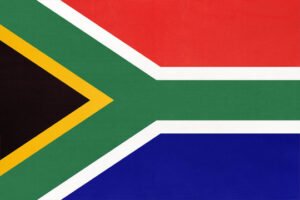
The availability of career advancement opportunities is a critical factor for professionals considering a move to a new country. Countries that invest in education and training programs often provide better prospects for career growth. South Africa, despite facing challenges, remains a leading destination for banking careers due to its well-developed financial services sector and numerous opportunities for professional development.
South Africa’s Financial Services Sector
South Africa’s banking sector is one of the most advanced in Africa, with a diverse range of institutions offering various career paths. The country’s financial services industry contributes significantly to the economy, accounting for about 15% of GDP. Professionals can find opportunities in areas such as retail banking, corporate banking, investment banking, and asset management. Additionally, South Africa’s commitment to financial inclusion and innovation provides ample room for career growth and specialization.
Infrastructure and Technology
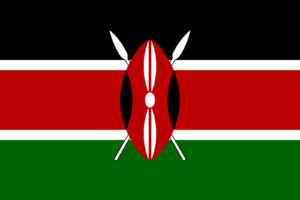
Investment in infrastructure and technology is vital for the success of the banking sector. Countries that prioritize technological advancements often see faster growth and improved efficiency in their banking systems. Kenya stands out as a leader in fintech innovation, with a thriving ecosystem of startups and established players driving the sector forward.
Kenya’s Fintech Ecosystem
Kenya’s banking sector has been transformed by the rise of mobile money services, particularly M-Pesa, which has revolutionized financial transactions across the country. This innovation has not only increased access to financial services but also created numerous job opportunities in areas such as software development, data analysis, and customer service. The government’s support for fintech initiatives further enhances the sector’s appeal to professionals.
Quality of Life and Lifestyle
While economic factors are crucial, the quality of life and lifestyle in a country can significantly influence career decisions. Countries that offer a high standard of living, good healthcare facilities, and a safe environment are often more attractive to professionals. Mauritius, known for its beautiful beaches and cosmopolitan atmosphere, provides an excellent balance between professional opportunities and quality of life.
Mauritius’ Quality of Life
Mauritius is a popular destination for expatriates, offering a high standard of living and a safe environment. The country’s banking sector is well-regulated and offers diverse career opportunities, particularly in areas such as wealth management and private banking. Mauritius’ strategic location in the Indian Ocean also makes it an attractive hub for international business, providing professionals with a global perspective.
Frequently Asked Questions (FAQ)
Q: Which African country has the strongest banking sector?
A: While several African countries have strong banking sectors, South Africa remains the largest and most developed. However, countries like Morocco, Kenya, and Rwanda are also emerging as significant players in the region.
Q: What are the main challenges faced by the African banking sector?
A: The African banking sector faces challenges such as high non-performing loans, limited access to capital, and regulatory inconsistencies. However, these challenges are being addressed through reforms and innovations.
Q: How can I prepare for a banking career in Africa?
A: To prepare for a banking career in Africa, it’s essential to gain relevant qualifications, such as a degree in finance or economics. Networking with professionals in the industry and gaining experience through internships or entry-level positions can also be beneficial.
Q: Are there opportunities for international professionals in African banking?
A: Yes, there are significant opportunities for international professionals in African banking. Many multinational banks operate in the region, offering roles for expatriates. Additionally, local banks often seek professionals with international experience to bring fresh perspectives and expertise.
Q: What are the visa requirements for working in African countries?
A: Visa requirements vary by country and depend on factors such as the duration of stay and type of employment. It’s advisable to check the specific requirements for the country you’re interested in through its embassy or immigration department.
Conclusion
The African continent offers a wealth of opportunities for banking professionals, with several countries providing strong economic growth, robust regulatory environments, and diverse career prospects. Whether you’re looking for a stable career path or an opportunity to make a significant impact, Africa’s banking sector presents exciting possibilities. To learn more about career opportunities in the banking sector and other industries, visit Confirm India.