
Embarking on a career move to a new country can be both exhilarating and daunting. For experienced professionals looking to explore opportunities beyond their current geographical boundaries, Africa presents a diverse array of possibilities. From the bustling economic hubs of South Africa and Egypt to the culturally rich landscapes of Morocco and Ghana, each nation offers unique advantages and challenges. In this article, we will delve into some of the top African countries that stand out as ideal destinations for seasoned professionals.
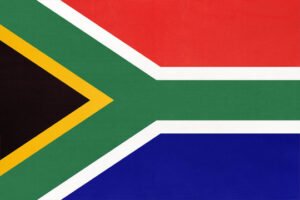
The Economic Powerhouse: South Africa
South Africa is often considered the economic heart of Africa. Its robust economy, coupled with a strong financial sector, makes it an attractive destination for experienced professionals. The country boasts a well-developed infrastructure, including modern transportation systems and telecommunications networks, which facilitate business operations.
One of the key advantages of working in South Africa is the availability of high-quality education institutions. Universities such as the University of Cape Town and the University of Johannesburg provide a steady stream of skilled graduates, ensuring a competitive talent pool. Additionally, the country’s commitment to innovation and technology has led to significant growth in sectors like information technology and biotechnology.
However, it’s important to consider the challenges that come with living in South Africa. Crime rates, particularly in urban areas, can be a concern. It’s advisable to take precautions and stay informed about safety measures. Despite these challenges, the potential rewards in terms of career growth and personal development make South Africa a compelling choice for many experienced professionals.
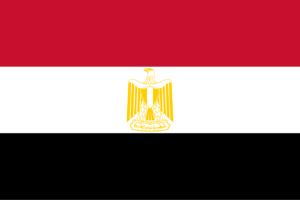
Cultural Riches and Economic Growth: Egypt
Located at the crossroads of Africa and the Middle East, Egypt offers a unique blend of cultural heritage and economic opportunities. The country’s strategic location makes it a gateway to both markets, providing ample chances for international business ventures.
Egypt’s economy is driven by sectors such as tourism, agriculture, and manufacturing. The government has been implementing various initiatives to attract foreign investment and promote entrepreneurship. For instance, the Suez Canal expansion project has significantly boosted trade and logistics activities.
Living in Egypt comes with its own set of considerations. The cost of living can vary depending on the city and lifestyle. Cairo, the capital, offers a vibrant nightlife and cultural scene but also faces challenges related to traffic congestion and pollution. Alexandria, on the other hand, provides a more relaxed atmosphere with beautiful beaches and a rich historical backdrop.
To get a deeper understanding of job opportunities in Egypt, you can visit EgyptJobSearch.com, where you can find detailed listings and insights into the local job market.
Historical Charm and Modern Ambitions: Morocco
Morocco is known for its stunning landscapes, rich history, and friendly locals. The country has been making strides in modernizing its economy and attracting foreign investments. Key sectors include tourism, agriculture, and manufacturing.
Morocco’s strategic position along the Mediterranean coast offers excellent opportunities for international trade. The government has launched several initiatives to improve infrastructure and enhance the business environment. For example, the Casablanca Finance City aims to establish the city as a major financial hub in North Africa.
Living in Morocco can be a rewarding experience, offering a balance between traditional charm and modern amenities. Cities like Marrakech and Fez provide a glimpse into the country’s rich cultural heritage, while Rabat and Casablanca offer more contemporary settings with access to international cuisine and entertainment options.
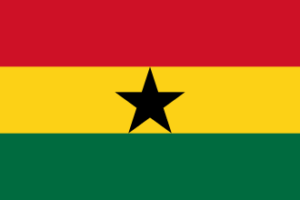
Emerging Opportunities: Ghana
Ghana is often referred to as the "Gateway to West Africa" due to its strategic location and growing economy. The country has made significant progress in recent years, with improvements in infrastructure and a focus on diversifying its economy.
Key sectors driving Ghana’s growth include agriculture, mining, and services. The government has implemented policies to attract foreign investment and support small and medium-sized enterprises. For example, the One-District-One-Factory initiative aims to boost industrialization across the country.
Living in Ghana offers a unique blend of natural beauty and cultural richness. Cities like Accra and Kumasi provide a mix of modern amenities and traditional markets, offering a vibrant and dynamic lifestyle.
Considerations for Moving Abroad
Before making the decision to relocate to an African country, it’s essential to consider several factors. These include:
- Cost of Living: Understand the expenses associated with living in the chosen country, including housing, food, transportation, and healthcare.
- Work Visa Requirements: Research the visa application process and any necessary qualifications or certifications.
- Cultural Adaptation: Be prepared to adapt to a new culture and way of life. Consider factors such as language barriers, social norms, and customs.
- Safety and Security: Stay informed about safety concerns and take necessary precautions to ensure your well-being.
Frequently Asked Questions
What are the main economic sectors in African countries?
African countries have diverse economies, but common sectors include agriculture, mining, tourism, and services. Each country has its strengths and focuses on different industries to drive growth.
How difficult is it to obtain a work visa in Africa?
The process for obtaining a work visa varies by country and can range from straightforward to complex. It’s advisable to consult the embassy or consulate of the country you’re interested in for specific requirements and procedures.
Are there language barriers in African countries?
Yes, many African countries have multiple official languages. While English is widely spoken in business and tourism sectors, it’s beneficial to learn some of the local languages to better integrate into the community.
What are the cultural differences I should be aware of when moving to Africa?
Africa is a continent with rich cultural diversity. It’s important to respect local customs and traditions. Familiarize yourself with social norms, greetings, and etiquette to foster positive interactions with locals.
Conclusion
Moving to an African country can be a thrilling adventure filled with opportunities for professional growth and personal enrichment. Whether you’re drawn to the economic dynamism of South Africa, the cultural richness of Egypt, the historical charm of Morocco, or the emerging potential of Ghana, each destination offers unique benefits and challenges.
As you embark on this journey, take the time to research thoroughly and prepare for the transition. By doing so, you can make the most of your new environment and build a successful career in Africa. For more insights and resources on international careers, visit ConfirmIndia.com.