
When considering a career move abroad, many nurses look towards Africa due to its growing healthcare sector and increasing demand for skilled professionals. However, choosing the right country can be overwhelming given the diverse opportunities available. In this article, we delve into some of the best African countries for nurses, examining factors such as healthcare infrastructure, salary potential, and quality of life.
Healthcare Infrastructure and Job Prospects
The healthcare infrastructure varies widely across African countries, influencing job opportunities and working conditions for nurses. Countries like South Africa, Kenya, and Rwanda have made significant strides in improving their healthcare systems, offering robust opportunities for nurses.
South Africa
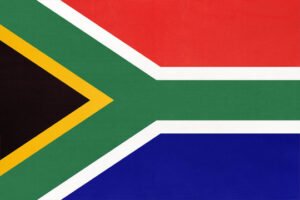
South Africa is renowned for its advanced healthcare system, particularly in urban areas. The country has a mix of public and private hospitals, providing diverse employment options. According to the World Health Organization (WHO), South Africa has approximately 165,000 nurses, indicating a substantial workforce. However, there is still a need for more nurses, especially in rural areas.
Kenya
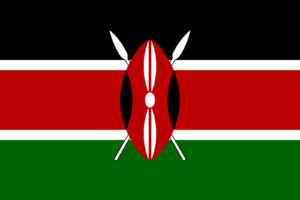
Kenya’s healthcare sector is expanding rapidly, driven by government initiatives and increased investment. The country has over 100,000 registered nurses, with opportunities in both public and private facilities. Nairobi, in particular, offers numerous job openings in international hospitals and clinics.
Rwanda
Rwanda has made remarkable progress in healthcare since the 1994 genocide. The country has invested heavily in training programs, resulting in a significant increase in the number of nurses. With over 20,000 nurses, Rwanda aims to achieve universal health coverage by 2030. For example, the Rwanda Job Search platform frequently lists nursing positions across various sectors.
Salary Potential and Cost of Living
Salaries for nurses vary widely across African countries, influenced by factors such as experience, location, and employer type. Understanding these differences is crucial for making informed career decisions.
South Africa
In South Africa, the average monthly salary for a registered nurse ranges from R15,000 to R30,000 (approximately $1,000 to $2,000 USD). Salaries tend to be higher in private hospitals and specialized fields. However, the cost of living in major cities like Johannesburg and Cape Town is relatively high.
Kenya
Kenyan nurses earn between KES 40,000 and KES 80,000 (approximately $370 to $740 USD) per month, depending on their experience and employer. While salaries are generally lower than in South Africa, the cost of living is also more affordable, particularly outside of Nairobi.
Rwanda
Rwandan nurses typically earn around RWF 1,000,000 to RWF 2,000,000 (approximately $1,100 to $2,200 USD) per month. Salaries are competitive compared to other African countries, and the cost of living is relatively low, making it an attractive option for nurses seeking financial stability.
Quality of Life and Cultural Considerations
Beyond professional opportunities, the quality of life and cultural fit are essential factors for nurses considering a move abroad. Each country offers unique experiences and challenges.
South Africa
South Africa boasts a rich cultural heritage and diverse landscapes, from bustling cities to scenic beaches. However, the country faces social issues such as crime and inequality, which may affect quality of life. Despite these challenges, many expats find the vibrant culture and natural beauty rewarding.
Kenya
Kenya is known for its stunning natural beauty, including national parks and wildlife reserves. The country has a warm and welcoming culture, making it easy for expats to integrate. However, infrastructure challenges, such as traffic congestion and power outages, can impact daily life.
Rwanda
Rwanda is often praised for its safety, cleanliness, and friendly locals. The country has made significant strides in development, offering modern amenities and a stable environment. The natural beauty, including volcanoes and lakes, provides ample opportunities for outdoor activities.
Practical Tips for Moving Abroad as a Nurse
Moving abroad for a nursing career requires careful planning and preparation. Here are some practical tips to help you make the transition smoothly:
- Research Thoroughly: Understand the healthcare system, job market, and cost of living in your chosen country.
- Obtain Necessary Credentials: Ensure your nursing qualifications are recognized in the target country. Some countries require additional certifications or exams.
- Secure Employment: Look for job opportunities before relocating. Networking with professionals in the field can provide valuable insights and connections.
- Plan Your Finances: Consider your budget, savings, and expenses. Research tax laws and financial assistance programs available to expats.
- Prepare for Culture Shock: Be open-minded and adaptable. Learning about the local customs and traditions can enhance your integration experience.
Frequently Asked Questions (FAQ)
Q: What are the visa requirements for nurses moving to Africa?
A: Visa requirements vary by country and purpose of stay. Generally, nurses need to obtain a work permit or employment visa. It’s advisable to contact the embassy or consulate of your target country for specific information.
Q: How long does it take to secure a nursing job in Africa?
A: The time frame for securing a nursing job can vary. Factors such as job availability, application process, and interview schedule influence the timeline. Some nurses find positions within a few months, while others may take longer.
Q: Are there language barriers for English-speaking nurses in Africa?
A: Many African countries use English as a medium of instruction in healthcare settings, particularly in urban areas. However, proficiency in local languages can be beneficial for communication with patients and community members.
Q: What are the benefits of working as a nurse in Africa?
A: Working as a nurse in Africa offers several benefits, including opportunities for professional growth, exposure to diverse patient populations, and the chance to make a significant impact on healthcare systems. Additionally, many nurses appreciate the warm and welcoming cultures of African countries.
Q: How can I prepare for the cultural differences in Africa?
A: Preparing for cultural differences involves research, openness, and flexibility. Learn about the local customs, traditions, and values. Engage with expat communities and locals to gain insights and build connections. Being respectful and adaptable will enhance your integration experience.
Conclusion
Choosing the right African country for a nursing career requires careful consideration of various factors, including healthcare infrastructure, salary potential, and quality of life. Whether you’re drawn to the vibrant culture of South Africa, the natural beauty of Kenya, or the stability of Rwanda, there are numerous opportunities awaiting skilled nurses. By conducting thorough research, obtaining necessary credentials, and preparing for cultural differences, you can make a successful transition to a new country and rewarding career. For more information on career opportunities and resources, visit Confirm India.